
Air pollution affects our health in both immediate and long-term ways, impacting the lungs, heart, brain, and even the immune system. Its effects depend on how polluted the air is, how long you’re exposed, and your age and health condition.
Keep Your lungs healthy when AQI is high
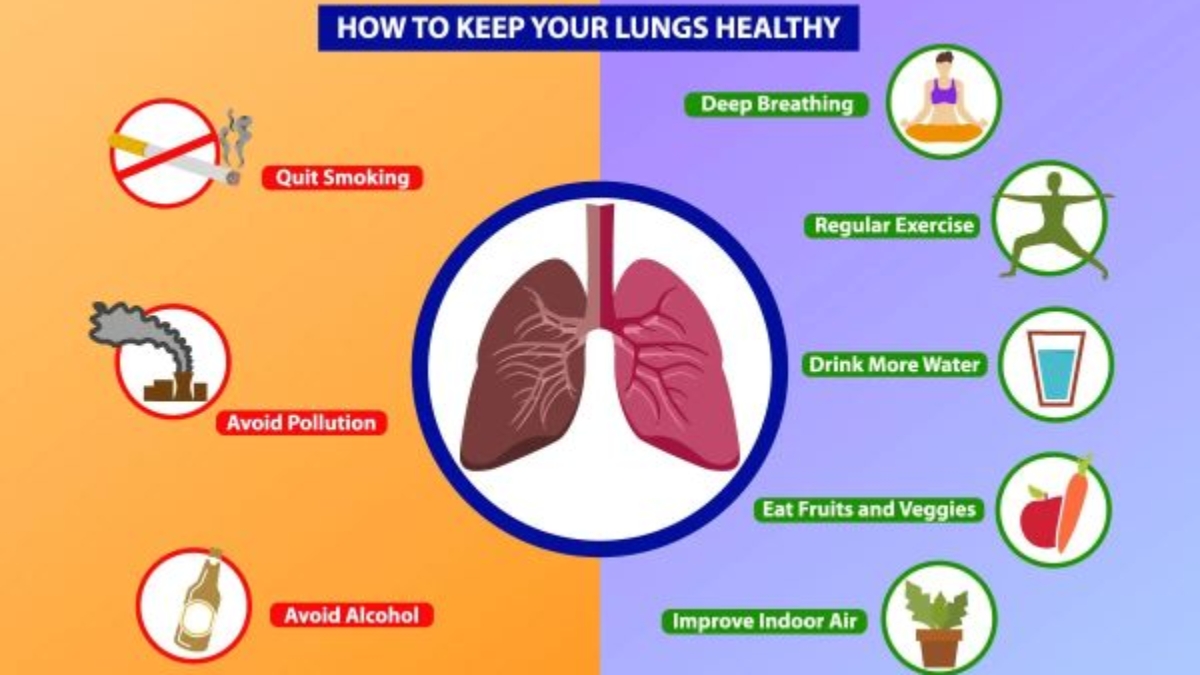
Keeping your lungs healthy during periods of high AQI (air pollution) is extremely important because pollutants like PM2.5, PM10, NO₂ can enter deep into the lungs. It causes inflammation, allergies, and long-term respiratory issues.
Here are some major tips to keep your lungs healthy….
Minimize Exposure to Polluted Air
✔ Wear an N95/N99 mask outdoors
- Only N95/N99 masks filter fine PM2.5 particles.
- Cloth or surgical masks do not protect your lungs.
✔ Avoid outdoor exercise
- Running or cycling outdoors increases deep inhalation of pollutants.
- Choose indoor workouts instead.
✔ Stay indoors during peak pollution hours
Typically, in Early morning & Evening traffic hours. Check AQI apps to time your activities.
Improve Indoor Air Quality
✔ Use HEPA-based air purifiers
Especially in Bedroom (sleep hours matter most) and Living room or workspace.
✔ Keep windows closed when AQI is high
Open only during low-pollution periods (usually midday).
✔ Avoid indoor pollutants
- Incense sticks
- Mosquito coils
- Cigarette smoke
- Strong chemical cleaners
Support Lung Cleansing Naturally
✔ Steam inhalation (1–2 times/day during severe AQI)
Helps clear trapped particles and reduce airway irritation.
✔ Nasal rinsing with saline (Neti or saline spray)
Flushes out pollutants from the nasal passages.
Keep Your Airways Moist
Pollution dries out airways, making lungs more vulnerable.
✔ Stay hydrated
2–3 liters of water daily.
✔ Use a humidifier
Ideal humidity: 40–60%
Especially at night to reduce throat dryness and coughing.
Eat Foods That Protect the Lungs
Pollution causes oxidative stress → antioxidants fight that damage.
✔ High-antioxidant foods
- Amla
- Turmeric (with black pepper)
- Citrus fruits
- Berries
- Carrots, beets
- Spinach, moringa
✔ Anti-inflammatory foods
- Ginger
- Garlic
- Green tea
- Omega-3-rich foods: walnuts, flaxseed, fish
✔ Include herbs known for lung support
(General wellness use—not a medical substitute)
- Tulsi (holy basil)
- Mulethi (licorice)
- Vasaka (Adhatoda)
- Pippali (long pepper)
Strengthen Lung Capacity that is very much important
Gentle breathing exercises improve airflow and resilience.
✔ Effective pranayama for lungs
- Anulom Vilom (alternate nostril breathing)
- Bhramari
- Deep diaphragmatic breathing
Avoid intense techniques like strong Kapalbhati if airways feel irritated.
Here is a simple, practical, and highly effective daily routine designed to strengthen your lungs—especially useful if you live in a polluted area or want long-term respiratory health.
Daily Routine for Strong Lungs
Morning Routine (6–9 AM)
- Start with Warm Water
- Drink 1 glass of warm water to loosen mucus and hydrate airways.
- Steam Inhalation (Optional, 5 minutes)
- Especially if pollution is high or you wake up congested.
- Breathing Exercises (10–15 minutes) but when AQI is below 200 !!
Do these in order:
✔ Diaphragmatic Breathing – 3 minutes
Strengthens lung capacity.
✔ Anulom Vilom (Alternate-Nostril Breathing) – 5 minutes
Improves oxygen exchange & opens airways.
✔ Bhramari (Humming Breath) – 3–5 minutes
Reduces airway inflammation & calms nerves.
*Avoid strong Kapalbhati if pollution is high or if you have respiratory sensitivity.
- Light Indoor Exercise (20–30 minutes)
- Brisk walking on treadmill can be good option to improve your lungs capacity.
- Yoga – It does miracle to protect your lungs and heart during the pollution.
- Cycling indoors – You need to do cycling indoor, if possible. Avoid cycling outside when pollution level is very high.
- Stretching – This will help your body and muscles in a healthy condition. It give elasticity to your body.
Avoid outdoor workouts during high AQI.
- Lung Superfood Breakfast
Include any of:
- Ginger + Tulsi tea – For every morning in place of bed tea.
- Amla juice – It is a great source of vitamin C and improve your immunity level. Amla is enriched with antioxidants which help improve your heart and detoxification.
- Fruit rich in antioxidants (orange, kiwi, berries)
- Overnight soaked almonds or walnuts
- Oats with flaxseed
During the Day
- Stay Hydrated (2–3 liters/day)
Drinking water keeps mucus thin and lungs clean. It would be better if warm water is taken twice a day.
- Protect Your Air
- Wear an N95/N99 mask outdoors.
- Avoid smoke (cigarettes, incense, mosquito coils).
- Keep car windows closed in traffic.
- Eat Lung-Friendly Meals
Include any of:
- Turmeric + black pepper
- Garlic & ginger
- Leafy greens (spinach, moringa)
- Carrots, beets (boost lung tissue)
- Omega-3 foods (flaxseed, walnuts, fish)
- Mid-Day Ventilation
Open windows for 10–20 minutes when AQI is lowest (usually early afternoon).
Evening Routine
- Gentle Breathing Reset (5 minutes)
- Deep breathing + slow exhale
Helps release toxins accumulated from the day.
- Indoor Walk / Stretching (10 minutes)
Improves overall lung circulation.
- Herbal Support (Optional)
- Warm water infused with tulsi
- Mulethi (licorice) tea if you have mild cough/irritation
- Honey + turmeric (½ tsp) for throat health
Night Routine (Before Bed)
- Keep Bedroom Air Clean
- Use a HEPA air purifier if possible.
- Keep windows closed if AQI is high.
- Humidifier (Optional)
Ideal humidity: 40–60%
Prevents dry cough & airway irritation.
- Sleep 7–8 Hours
Your lungs repair most during deep sleep.
Weekly Add-Ons
✔ 1–2 times/week:
- Steam inhalation
- Light chest-opening yoga (Bhujangasana, Matsyasana)
✔ Once a week:
- Detox meals like:
- Khichdi
- Warm lentil soup
- Vegetable stew
These reduce inflammation and give lungs a break from heavy digestion.
7. Boost Body’s Repair Mechanisms
Your lungs heal most during rest.
✔ Sleep 7–8 hours
Rest allows the respiratory system to repair oxidative damage.
✔ Reduce alcohol & smoking
Both drastically worsen the effects of polluted air.
- Recognize Warning Signs
Seek help if you experience:
- Persistent cough
- Wheezing
- Chest tightness
- Shortness of breath
- Repeated throat irritation
Pollution-related irritation can develop into serious conditions if ignored.
Track AQI Daily
Use apps like: AirVisual AQI India SAFAR
This helps you plan walks, travel, workouts, and ventilation.
Disclaimer: This article is for general information only. It cannot in any way be a substitute for any medicine or treatment. Always consult your doctor or yoga expert for more information.
Add a Comment